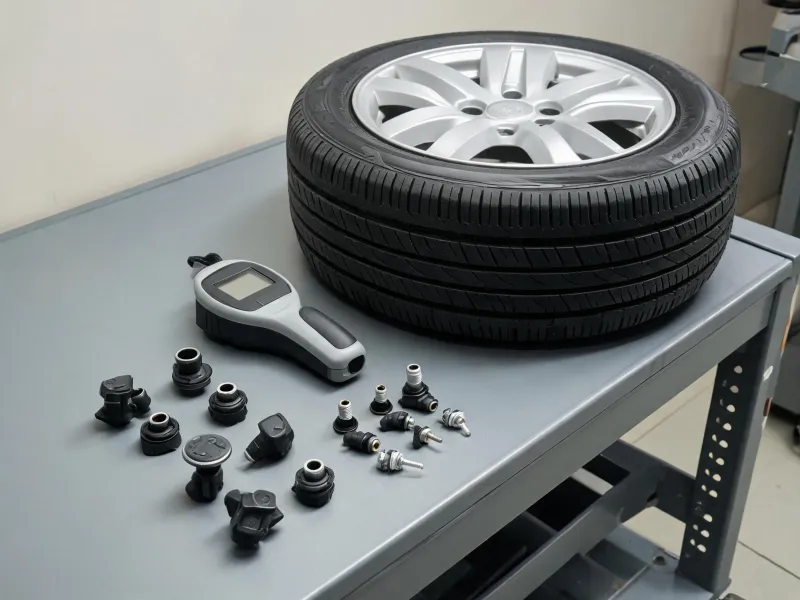
TPMS Sensors & Service Kits
Match the sensor, valve interface and kit contents to the buyer brief.
Explore sourcing catalog →Bring us a sensor, service kit or wheel-end accessory brief. We help you identify what needs to match and compare supplier offers against the same requirements.
Set the reference before asking suppliers to price a substitute.
Match the sensor, valve interface and kit contents to the buyer brief.
Explore sourcing catalog →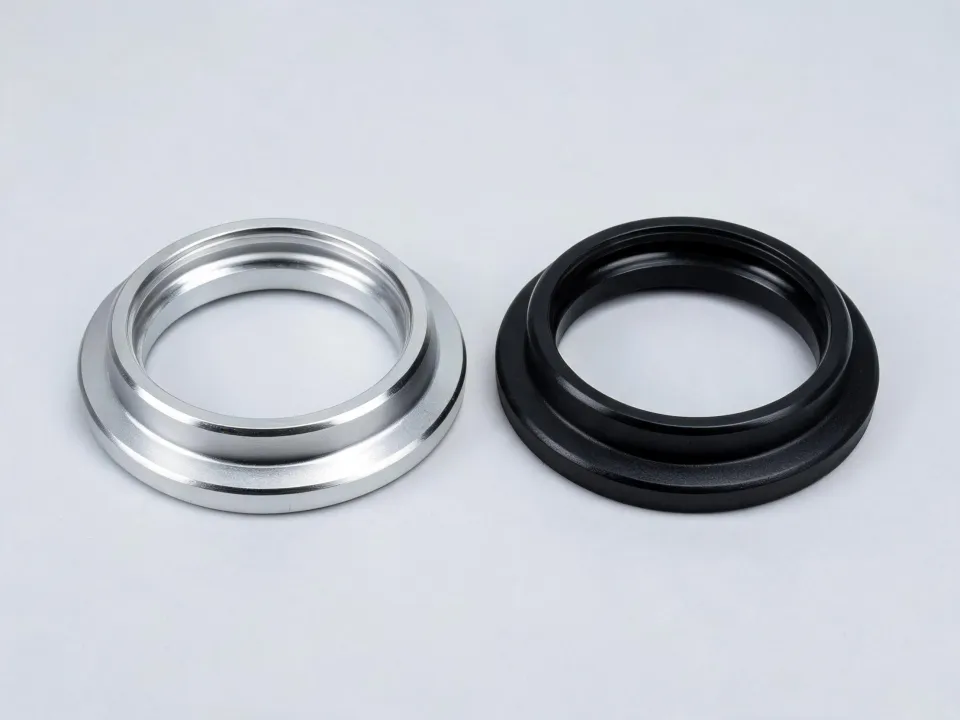
Pair wheel bore and hub pilot dimensions before comparing materials.
Explore sourcing catalog →
Quote the clip profile, requested mass assortment and box count together.
Explore sourcing catalog →Set the reference, quantity, target market and the conditions for an acceptable substitute.
Separate product, tooling and packaging. Record the named place for each Incoterm.
Log supplier drawing revision and buyer disposition. Agree the inspection scope if required.
Reconcile carton labels, packing-list references and open questions with the shipment parties.
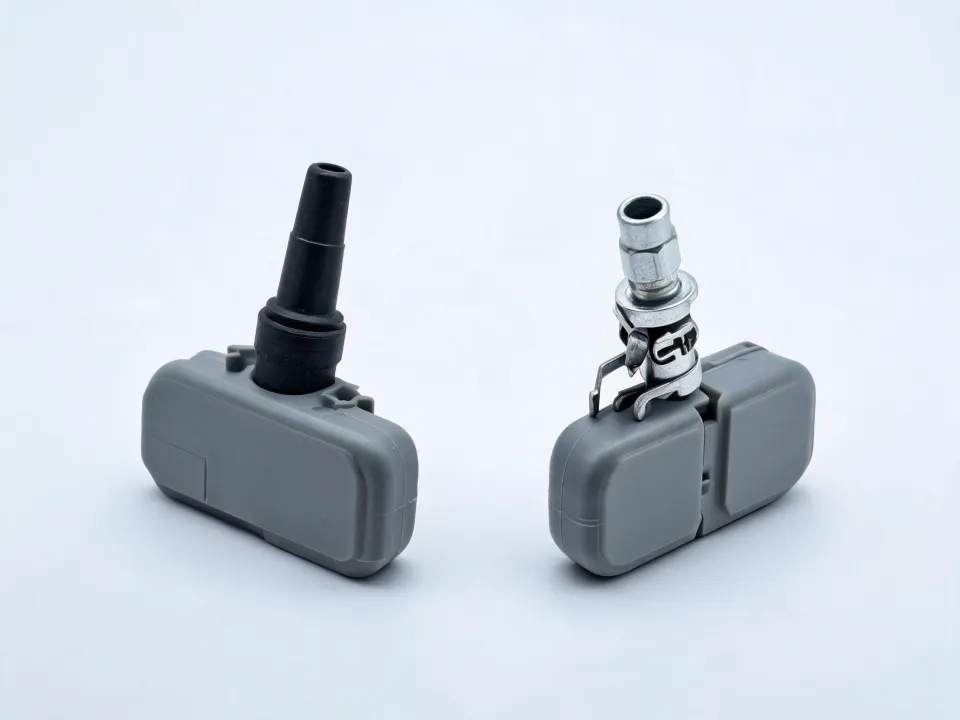
Ask for the exact vehicle and market entry, supported programming route and valve interface. A common frequency leaves those questions open.
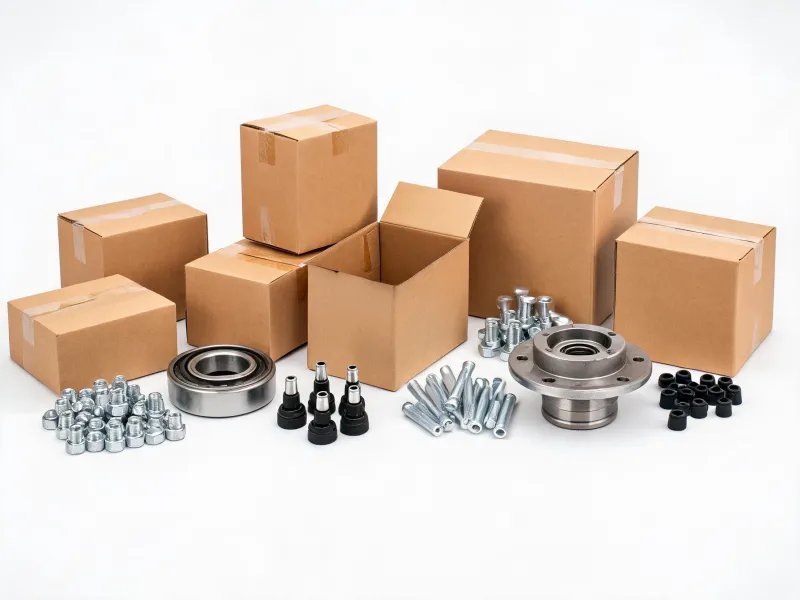
A stock pack follows the supplier’s existing component mix. A custom pack can follow your assortment and labeling, with separate sample, minimum order quantity and setup review.
One supplier can simplify pack and lot records. Several suppliers can cover more of a fitment list, with more work to align sample records, carton markings and shipment handoffs.
After suppliers respond to the part, pack and quantity brief. Review the quoted minimum, dispatch basis and delivery term on each line before placing an order.
Start with one reference, the intended vehicle and the quantity. Add a drawing or packaging requirement to the brief when it affects the quote.